Children’s health is rarely just one thing.
Sleep, digestion, emotional regulation, behavior, physical comfort, and development are often connected in ways that can be difficult for parents to fully understand — especially when symptoms don’t fit neatly into one category.
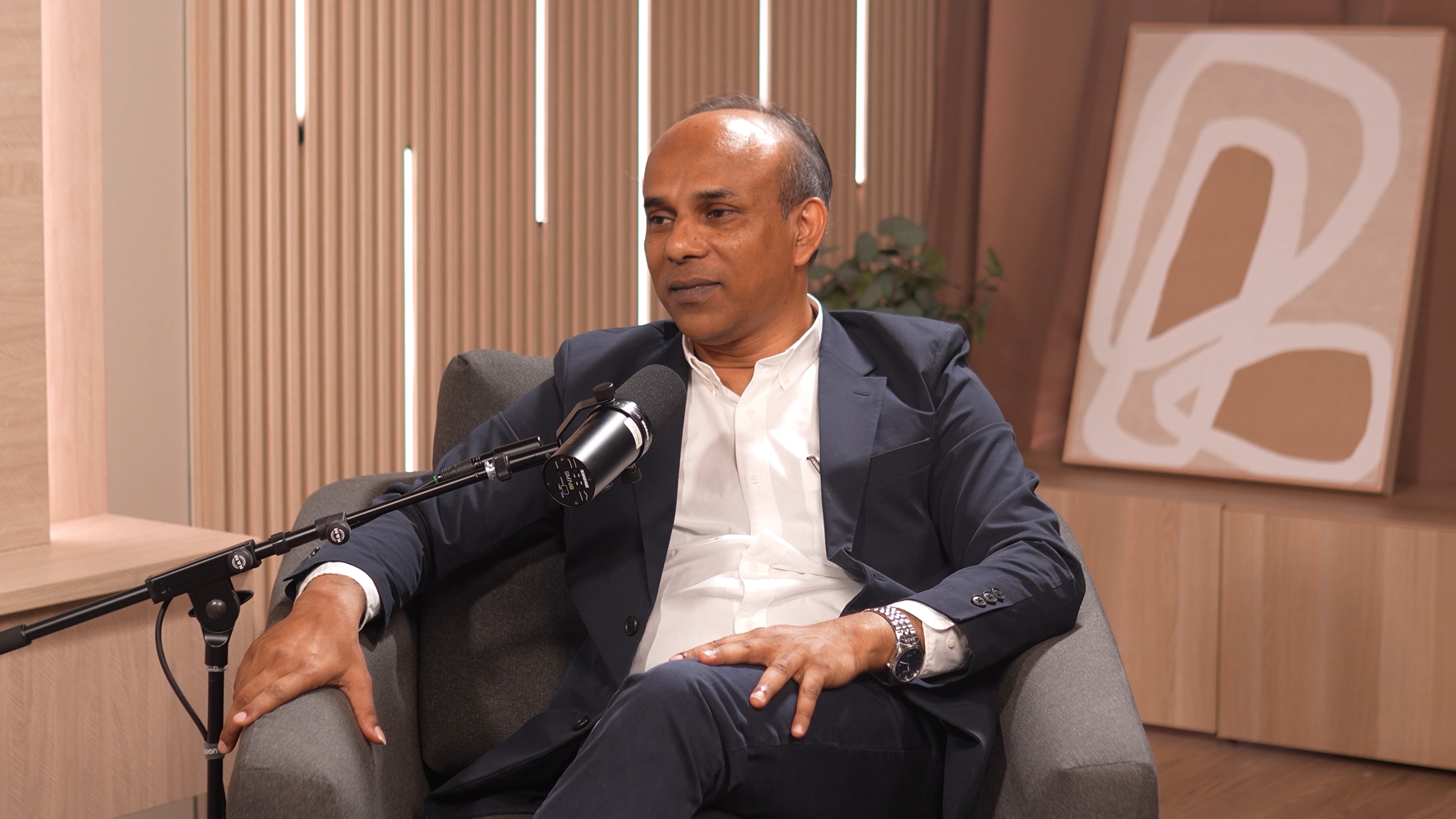
In a recent episode of the CAMshell Kids Podcast, I spoke with Dr. Daniel Niemiec, a chiropractor in Singapore who incorporates applied kinesiology into his work with children and families.
Rather than focusing on quick fixes or labels, our conversation explored how some practitioners think about the relationship between the nervous system, movement, diet, stress, and overall wellbeing in children.
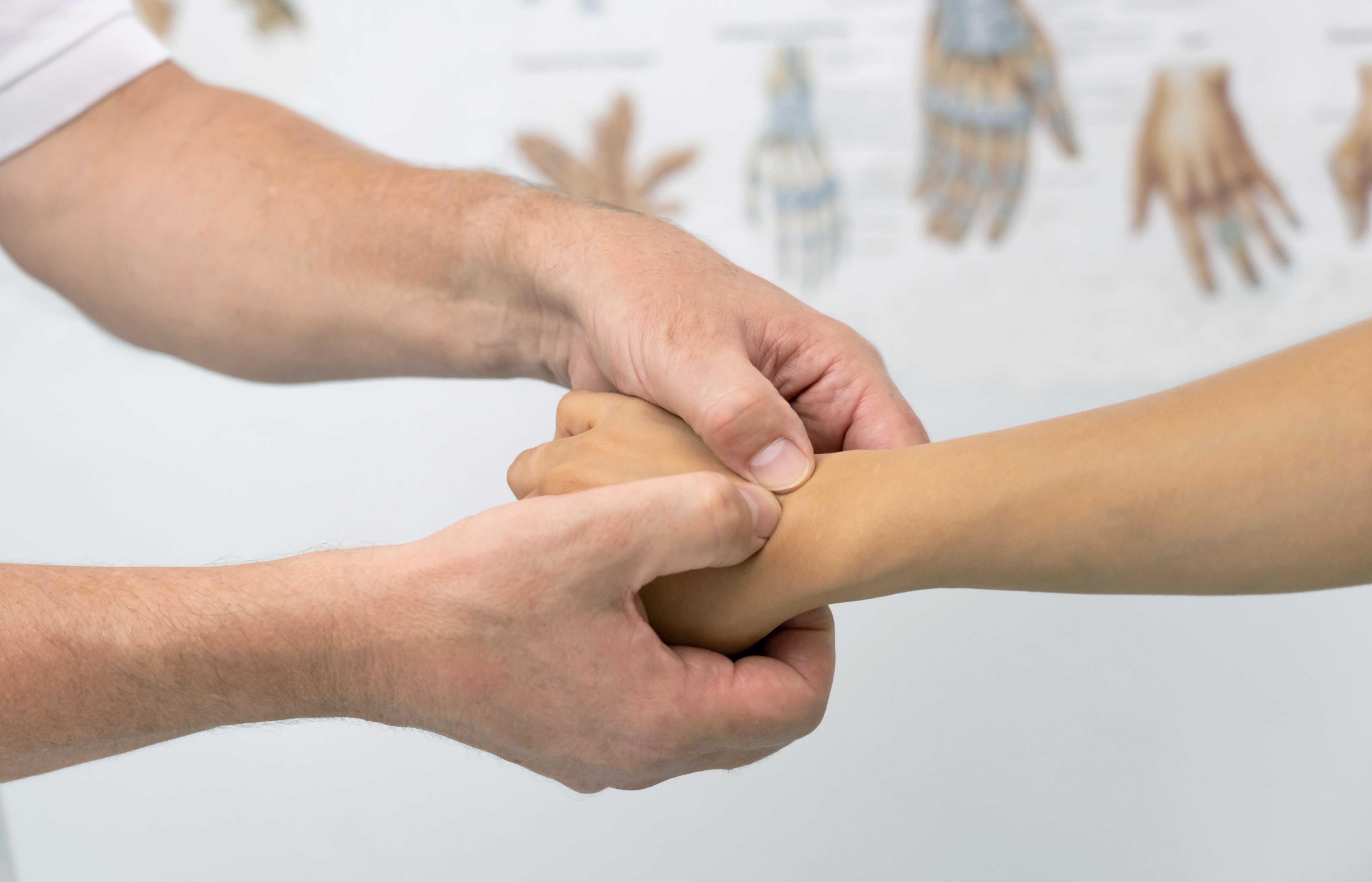
Applied kinesiology is a practice that uses muscle testing to assess how the body may be responding to different types of stress or imbalance.
Dr. Daniel described his work through three interconnected areas:
From this perspective, symptoms are not always viewed in isolation. Instead, practitioners may look at how different systems in the body influence one another.
One important part of our conversation was also acknowledging that this field remains highly practitioner-dependent and that interpretations can vary.
Many families seek integrative support for concerns such as:
A recurring theme throughout the conversation was individuality.
Two children may experience similar symptoms while having very different contributing factors, environments, stressors, or sensitivities. This is one reason why some families are drawn to more personalized approaches to care.
We also discussed the growing interest in the connection between gut health and the nervous system.
Research around the gut–brain axis continues to evolve, but there is increasing recognition that digestion, stress, sleep, mood, immunity, and nervous system regulation are closely interconnected.
Dr. Daniel shared how he thinks about:
One important point throughout the conversation was avoiding overly rigid or fear-based approaches to diet, especially when working with children.
Another area we explored was behavior and emotional regulation.
Children do not always communicate stress or overwhelm verbally. Sometimes it may appear through:
Rather than immediately asking “How do we stop this behavior?” our conversation explored a different question:
“What might this behavior be communicating?”
This shift in perspective can sometimes help parents approach children with more curiosity and compassion, while still recognizing that behavioral concerns may require broader professional assessment and support.
The conversation also touched on prevention and early support.
Many parents are interested in creating supportive foundations for their children through:
At the same time, we discussed the importance of recognizing limits, individual variation, and the value of different forms of professional support working together.
No single modality has all the answers — and thoughtful, collaborative care can often help families feel more supported and less overwhelmed.
At CAMshell Kids, the goal is not to promote a single approach, but to create space for balanced, thoughtful conversations about children’s health.
This conversation with Daniel Niemiec offers an interesting look into how one practitioner understands applied kinesiology, muscle testing, nervous system regulation, and integrative child health in practice.





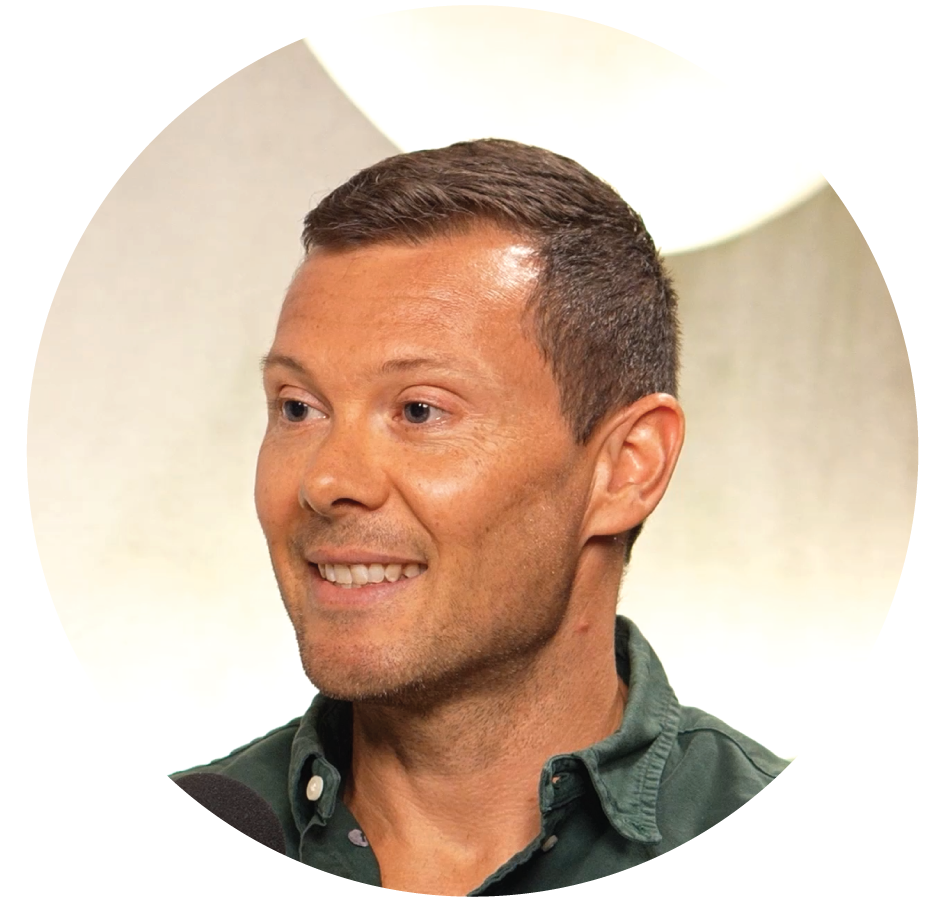
Daniel Niemiec is a chiropractor based in Singapore who integrates applied kinesiology into his work with children and families. His approach focuses on understanding the body as an interconnected system and exploring how different physical, nutritional and functional factors may relate to a child’s wellbeing.