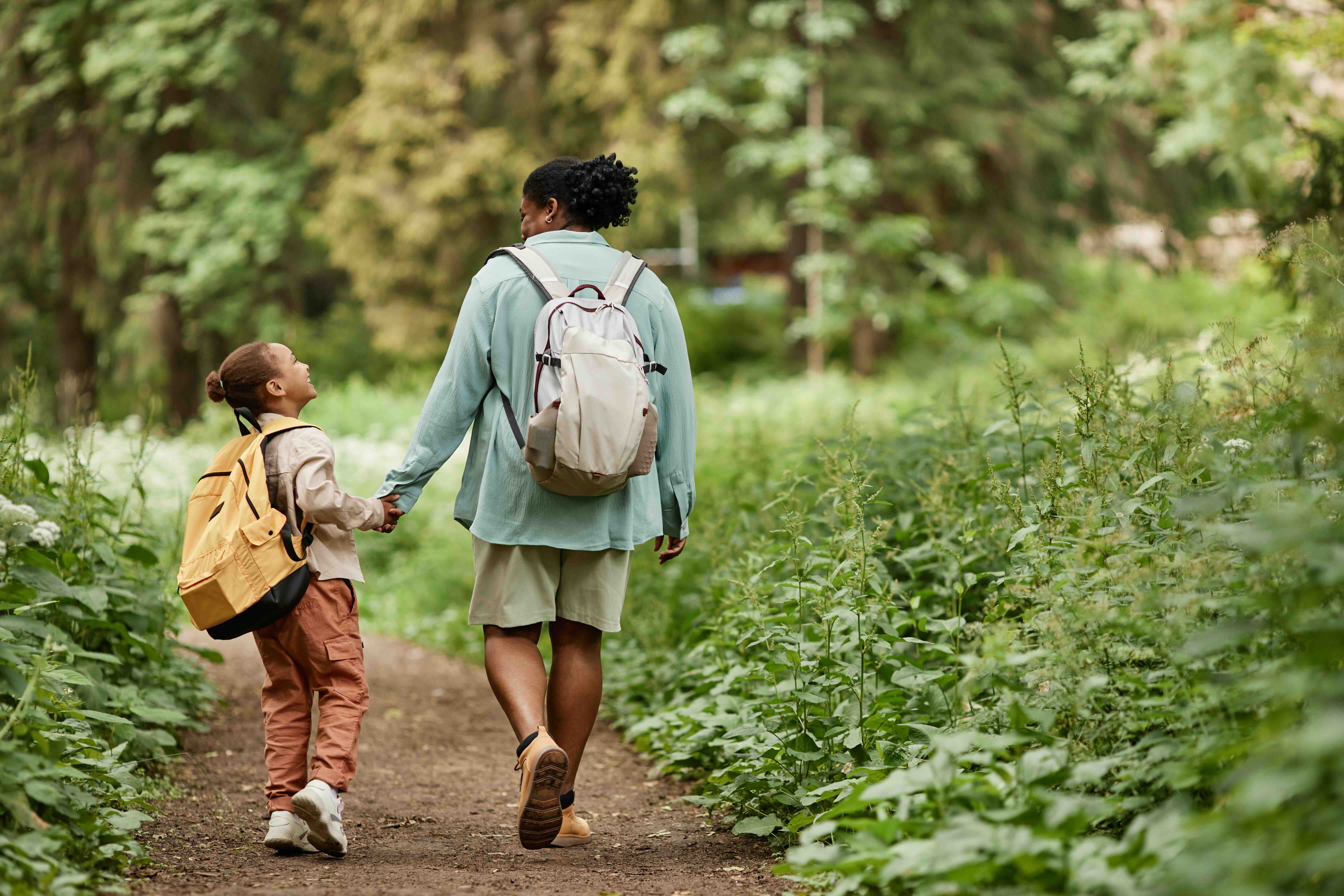

Why do children respond so differently, even when they grow up in similar environments? Sam Roberts explores temperament, parenting patterns and what it means to support the individual child rather than trying to change who they are.
Every child experiences and responds to the world differently. In this conversation, clinical counselor Sam Roberts explores how temperament, personality and individual needs shape a child's experience—and how our own expectations and patterns as parents can influence the way we respond. Together, we consider what it means to observe before trying to change behavior, adapt our approach to the child in front of us, and create the conditions for each child to thrive in their own way.






Sam Roberts is the Founder and Executive Director of Olive Branch Psychology, a family-centred counselling centre in Singapore. He is a registered SAC Clinical Counsellor who works with children, teens, adults, couples, and families.
His doctoral research explores how childhood relational experiences can shape adult behavioural patterns, emotional responses, and relationships. He has a particular interest in aligned caregiving, attachment, relational development, and the role of a safe, regulated home environment in a child’s development.
Sam also developed SECURE Parenting™, a framework that encourages parents and caregivers to look beyond behaviour and understand the individual child in front of them.