Children can experience health and development very differently, and different healthcare traditions offer different ways of understanding those differences.
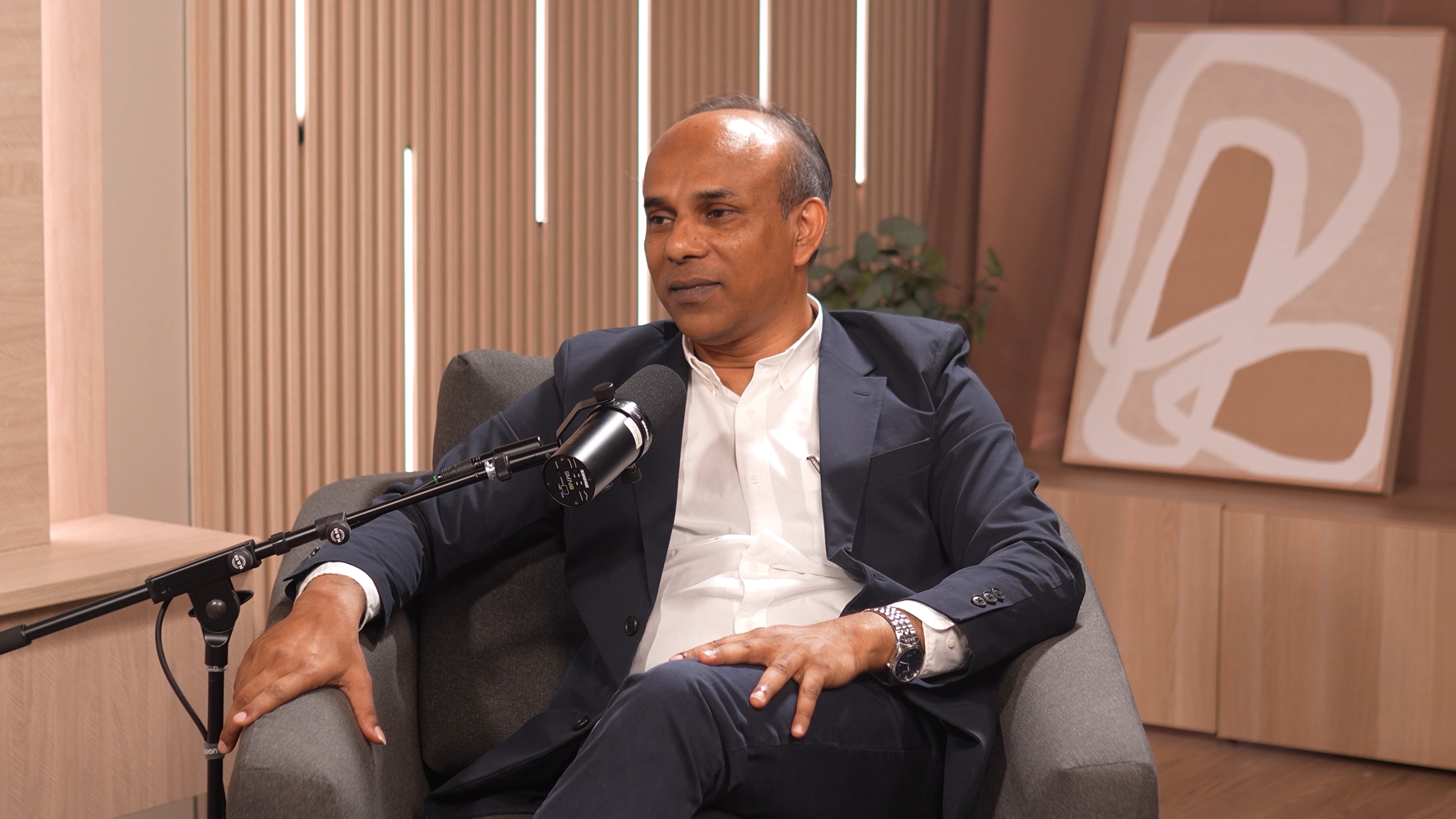
In this conversation, Traditional Chinese Medicine practitioner ChunHuat Teo introduces the TCM perspective on children’s health. We explore how TCM practitioners think about constitution, digestion, sleep, movement and everyday habits, what parents might encounter during a consultation, and some of the questions families can ask when considering this approach.
The aim is not to suggest that one healthcare philosophy has all the answers, but to help parents better understand a perspective they may encounter when making decisions for their child.
ChunHuat’s path into Traditional Chinese Medicine combines training in biomedical science and TCM. He studied Biomedical Science and Traditional Chinese Medicine at Nanyang Technological University and Beijing University of Chinese Medicine, and later completed postgraduate studies at Liaoning University of Traditional Chinese Medicine.
Before opening his own clinic, he spent close to a decade working in a charity medical center, gaining experience with patients and families.
One of the ideas that drew him to TCM was its emphasis on looking at health in the context of everyday life.
As ChunHuat explains, TCM considers factors such as eating, sleeping, movement, emotional state and a person’s wider environment when trying to understand patterns of health.
For him, this broader view is particularly relevant when working with children, whose wellbeing can be influenced by many interconnected parts of daily life.
Parents who are familiar with TCM in adults may associate it with treatments such as acupuncture or cupping and assume that the same approaches are used with children.
ChunHuat explains that pediatric TCM can look quite different.
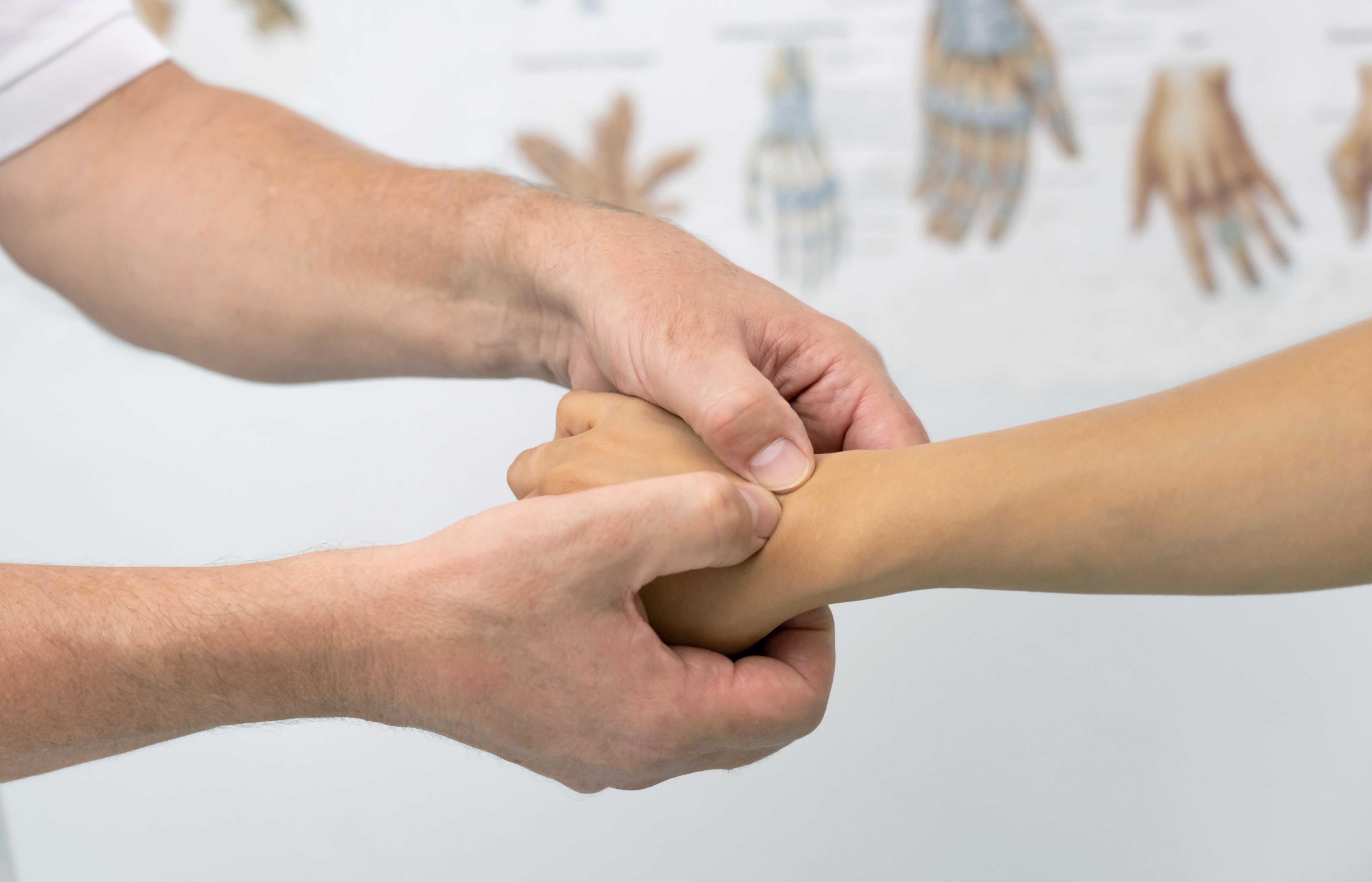
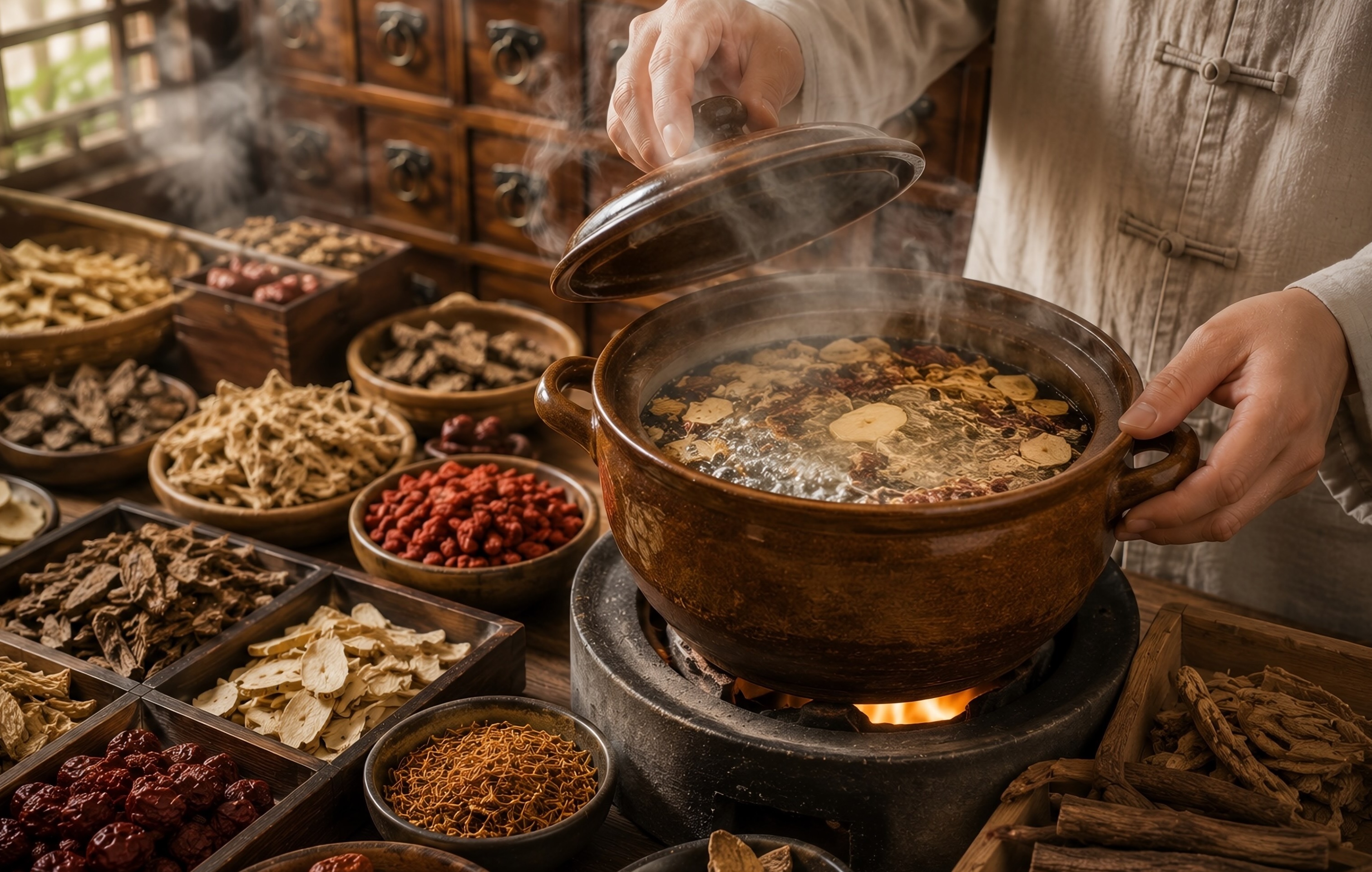
Depending on the child, practitioner and concern, approaches may include observation, dietary and lifestyle discussions, pediatric massage, herbal remedies or other forms of TCM care.
In his practice, families may seek support for concerns involving areas such as digestion, respiratory health, sleep, appetite or emotional wellbeing.
What is important to understand is that TCM practitioners may interpret these concerns through a framework that is different from conventional medicine.
Rather than looking only at an individual symptom, ChunHuat describes trying to understand the wider pattern surrounding it: how the child eats, sleeps, feels and functions day to day.
That does not mean that conventional medicine only treats symptoms. Rather, the two traditions may use different concepts, diagnostic frameworks and treatment approaches when trying to understand what is happening.
ChunHuat has noticed another interesting pattern.
When parents have an unsatisfactory experience with one conventional doctor, they may simply seek another medical opinion. But after one disappointing experience with TCM, some parents may conclude that TCM itself does not work.
From his perspective, part of this comes from not knowing what to expect from the process.
TCM is highly individualized, and different practitioners may interpret the same presentation differently. ChunHuat encourages parents to ask questions and understand the reasoning behind what is being recommended.
Useful questions might include:
For CAMshell Kids, this is an important principle regardless of the healthcare approach: parents should feel able to ask questions and understand the reasoning behind care being proposed for their child.
A TCM consultation may involve looking at much more than the immediate complaint.
ChunHuat explains that he may ask parents about areas such as:
These observations are interpreted within the framework of Traditional Chinese Medicine.
Because young children cannot always describe discomfort clearly, ChunHuat believes that observing patterns across different areas of daily life can help him build a more complete picture of the child.
It is important to distinguish this from conventional medical diagnosis: TCM uses its own concepts and methods of assessment, and these should not automatically be understood as equivalent to biomedical diagnostic tests.
The idea of looking for an underlying cause rather than responding only to a symptom appears frequently in conversations about health.
Within Traditional Chinese Medicine, practitioners often describe this using the metaphor of “roots” and “branches.”
The visible symptom is sometimes described as the branch, while the practitioner tries to identify what TCM considers the underlying pattern—the root.
How that “root” is understood depends on the TCM framework and may involve concepts that do not have direct equivalents in conventional medicine.
ChunHuat shares an example from his practice involving children with persistent cough.
Within the TCM framework, he may sometimes consider a child’s digestion and eating patterns alongside respiratory symptoms. In particular, excessive eating may be interpreted as contributing to what TCM practitioners describe as phlegm accumulation.
In such cases, ChunHuat may consider approaches including dietary changes, pediatric massage or herbal remedies as part of an individualized TCM treatment plan.
This is a TCM interpretation of the relationship between digestion and respiratory symptoms rather than a statement that overeating is a general medical cause of chronic cough.
Persistent cough in a child can have many causes and should be appropriately assessed.
ChunHuat also discusses children with poor appetite or concerns around growth.
Within TCM, digestive function is considered particularly important during childhood. Rather than simply encouraging a child to eat more, a practitioner may look at appetite, digestion, eating patterns and the types of foods being consumed.
Depending on the individual child, ChunHuat may recommend approaches such as pediatric massage, dietary changes or foods traditionally used within TCM.
Again, this reflects the TCM framework. Concerns about a child’s growth or persistent loss of appetite also warrant appropriate medical assessment.
Another central concept in Traditional Chinese Medicine is constitution.
TCM practitioners use this idea to describe an individual child’s underlying tendencies and the way their body is thought to respond to factors such as food, environment and lifestyle.
ChunHuat explains that TCM may consider influences from both before and after birth, including maternal health and nutrition during pregnancy as well as the child’s later diet, environment and everyday habits.
Foods may also be described within TCM as having qualities such as cooling, neutral or warming.
These categories belong to the TCM system of understanding food and constitution; they are not the same as the nutritional categories used in conventional dietetics.
For ChunHuat, understanding a child’s constitution helps him individualize the advice he gives rather than applying exactly the same recommendations to every child.
This emphasis on individuality is one of the ideas that connects strongly with the wider CAMshell Kids approach: the same advice will not necessarily fit every child.
Alongside treatments used in his practice, ChunHuat places a lot of emphasis on everyday habits.
Three areas came up repeatedly in our conversation.
ChunHuat encourages parents to pay attention not only to what children eat, but also to appetite and quantity.
He is particularly cautious about frequent consumption of sugary drinks, processed snacks and highly sweetened foods.
The broader idea is simple: feeding a child well is not necessarily the same as encouraging them to eat as much as possible.
Parents can pay attention to hunger and fullness cues, overall diet quality and whether mealtimes are becoming a source of pressure.
Movement is another important part of ChunHuat’s approach.
Within TCM, physical activity is understood as supporting the movement of qi and contributing to healthy function.
From a broader child-health perspective, regular movement also gives children opportunities to build strength, coordination, confidence and physical capability.
The frameworks may differ, but the everyday behavior—giving children plenty of opportunity to move—is something many health perspectives value.
ChunHuat also places particular importance on sleep.
Within Traditional Chinese Medicine, the timing of sleep is considered relevant to the body’s restorative processes, and he generally encourages families to establish an earlier and consistent bedtime.
The exact sleep needs of children vary with age and individual circumstances, but the broader principle is valuable: sleep is an important part of children’s health and development and deserves to be treated as such.
Toward the end of our conversation, ChunHuat described his philosophy this way:
“TCM is not just about fixing what’s wrong — it’s about building what’s right.”
It captures an important part of how he approaches children’s health: paying attention not only when a child is unwell, but also to the everyday foundations surrounding them.
Traditional Chinese Medicine offers one framework for thinking about those foundations.
Parents do not need to accept every part of that framework to find value in understanding it.
For families who are curious about TCM, the conversation provides a starting point for understanding how practitioners may think about constitution, digestion, sleep, movement and everyday habits—and what questions parents can ask when considering whether an approach is appropriate for their child.
At CAMshell Kids, our role is not to tell families which healthcare philosophy to choose.
It is to help parents understand the perspectives available to them, ask better questions, and make informed decisions for the individual child in front of them.
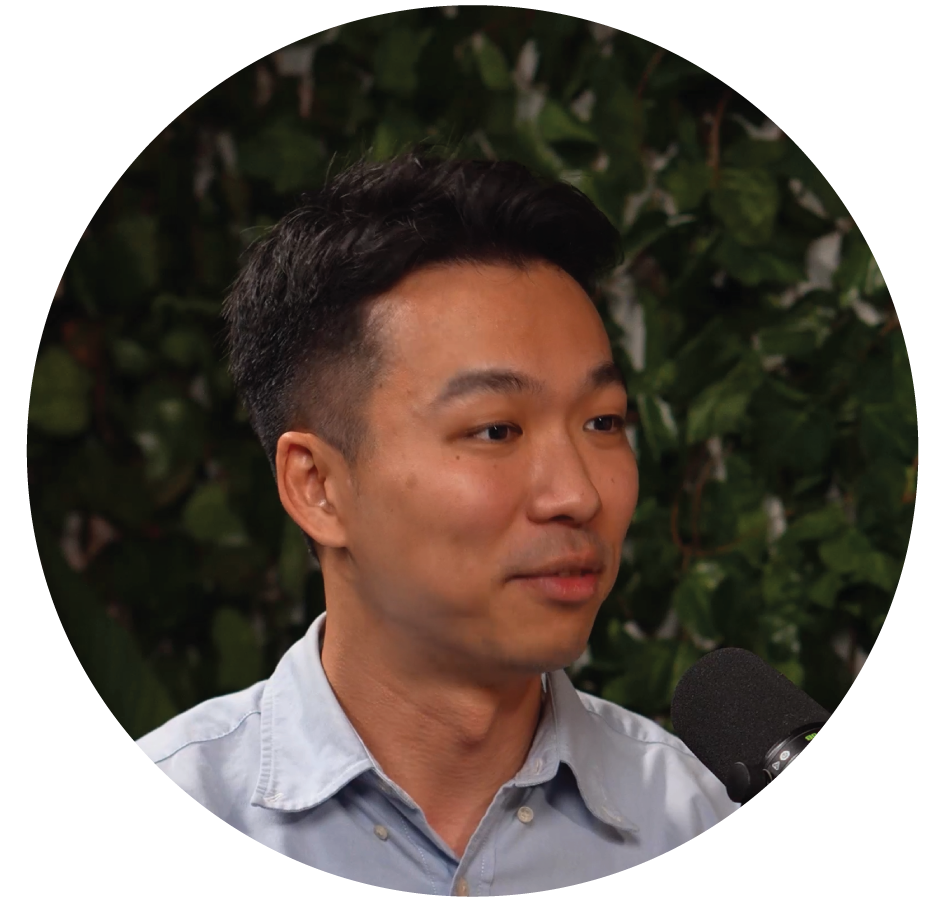
ChunHuat Teo is a Traditional Chinese Medicine practitioner who works with children and families. His approach considers the individual child alongside factors such as constitution, digestion, sleep, movement and everyday habits. In his work, he also uses approaches including pediatric massage and herbal remedies.